Someone in the marketing meeting says visibility is up 12 percent and everyone nods. Nobody asks what the number is. SEO visibility is a composite score, every tool builds it differently, and it moves for at least four reasons that have nothing to do with your SEO getting better or worse. That is worth understanding before you put it on a slide.
What is SEO visibility
SEO visibility is a single percentage that answers roughly this question: across a list of keywords you chose, how much of the available search traffic could your site be capturing at its current positions?
The maths behind it, in every tool that publishes one:
- Take your tracked keyword list.
- For each keyword, find your position.
- Convert that position to an expected click-through rate using a curve the tool decided on.
- Weight it by the keyword’s search volume.
- Add it all up and express the result as a percentage of the theoretical maximum.
So a site ranking first for everything on its list scores 100 percent. Nobody does. Most SaaS sites we look at sit in single digits, and that is normal rather than alarming.
The four things that move SEO visibility without your SEO changing
1. Your keyword list changed
This is the big one and it catches everybody. Add 200 new keywords you do not rank for yet and visibility drops, because the denominator grew. Nothing got worse. Your report now says it did.
The reverse is more dangerous. Quietly drop the keywords you lost and visibility rises. A report can look like a great quarter and be entirely a list edit. Lock the keyword list for at least a quarter, and when you change it, say so on the same slide.
2. Search volumes updated
Volumes are refreshed periodically from the tool’s data source. A term you rank third for gets revised from 2,000 to 6,000 and your visibility jumps with no change in position. The SEO team did nothing. The chart looks like they did.
3. The SERP layout changed
Visibility curves assume position 3 earns a certain share of clicks. Add an AI overview, a video carousel and four ads above the organic results, and position 3 is now well below the fold. Your position did not move. The clicks did. The score does not know.
4. The tool updated its CTR model
Tools revise their click curves. When they do, every historical visibility number shifts underneath you. Some tools backfill history, some do not, and the ones that do not leave you with a step change in a chart that has no cause in the real world.
The blind spot that matters most in 2026
Visibility scores count organic positions. They do not count being the source an AI answer quotes.
Picture the realistic case, and this is illustrative rather than a measurement: your comparison page is cited in an AI overview, three people read the summary, one clicks through. In Search Console you see an impression and maybe a click. In your visibility score you see whatever your blue-link position was, which might be seventh, which the curve treats as nearly worthless.
So the metric is now systematically blind to a growing share of how people actually meet your brand in search. It was designed for a results page made of ten blue links, and that page is not what buyers see any more. We went through the measurement side of this in AI search visibility metrics and reporting, and the tooling that attempts it in AI search visibility tools.
There is a second blind spot worth naming: brand. A visibility score on a list that includes your own brand terms will look healthy forever, because you rank first for your own name. Split brand and non-brand or the number tells you nothing.
When SEO visibility is genuinely useful
We are not arguing it should be deleted. It earns its place in three situations.
| Use it for | Why it works there |
|---|---|
| Competitor comparison on one fixed list | Same keywords, same curve, same day. The relative gap is meaningful even if the absolute number is not. |
| Spotting a sudden drop | A 30 percent fall overnight is a real signal. Investigate in Search Console, do not report the score. |
| Long-run trend on a locked list | Over six months with an unchanged list and stable volumes, the direction is informative. |
What it should not be used for: month-on-month reporting to executives, proving ROI, or any sentence containing “visibility is up so traffic will follow”. Those belong to clicks and conversions, which is the argument we make in SEO ROI for SaaS.
What we report instead of SEO visibility
Five rows, and the visibility score is not one of them.
- Non-brand clicks, 28 days against the prior 28. Counted, not modelled.
- Non-brand impressions, which is the leading indicator on a young site where clicks have not started yet.
- Number of unique queries the site appears for. Rising query count means growing topical reach and it cannot be gamed by editing a list.
- Pages in positions 8 to 25. The queue of pages one push away from earning traffic.
- Organic signups. The only row anyone outside the team cares about.
The full build for a larger site is in our enterprise SEO dashboard guide, and the smaller version is in the SaaS SEO reporting dashboard.
Quick recap: seo visibility
- SEO visibility is a modelled percentage, not a measurement: positions run through a click curve and weighted by volume.
- Every tool builds it differently, so numbers from two tools cannot be compared.
- It moves when your keyword list changes, when volumes refresh, when the SERP layout changes, and when the tool updates its curve.
- It cannot see AI answer citations, which is a growing share of how buyers meet you in search.
- Mixing brand keywords into the list makes the score permanently flattering and useless.
- Good for competitor comparison and spotting sudden drops; bad for executive reporting and ROI.
FAQ
What is SEO visibility in simple terms?
It is an estimate of how much of the possible search traffic your site could be getting across a list of keywords you chose, based on your current positions. It is a model, not a count, and the model belongs to whichever tool produced the number.
What is a good SEO visibility score?
There is no threshold, because the score depends entirely on which keywords are on your list. A site tracking 50 easy branded terms can score 60 percent while a site tracking 500 competitive terms scores 3 percent and is doing far better commercially. Only the trend on a fixed list means anything.
Why did my SEO visibility drop when nothing changed?
Check in this order: did anyone add keywords to the tracked list, did the tool refresh search volumes, did the SERPs for your main terms gain new features, and did the tool publish a change to its CTR model. One of those four explains most sudden moves.
Is SEO visibility the same as impressions?
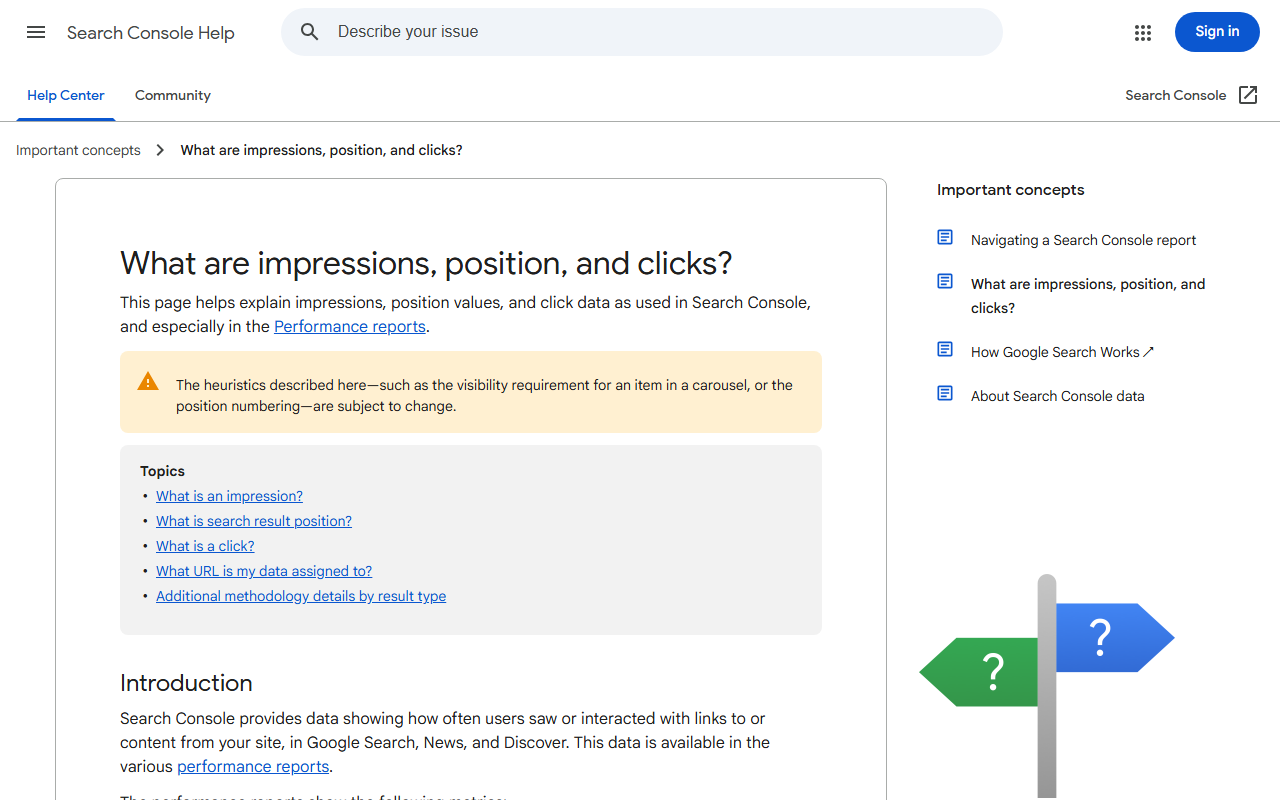
No, and this is the most useful distinction to hold on to. Impressions are counted by Google and reported in Search Console. Visibility is calculated by a third-party tool from positions it observed and a click curve it invented.
Does SEO visibility include AI overviews?
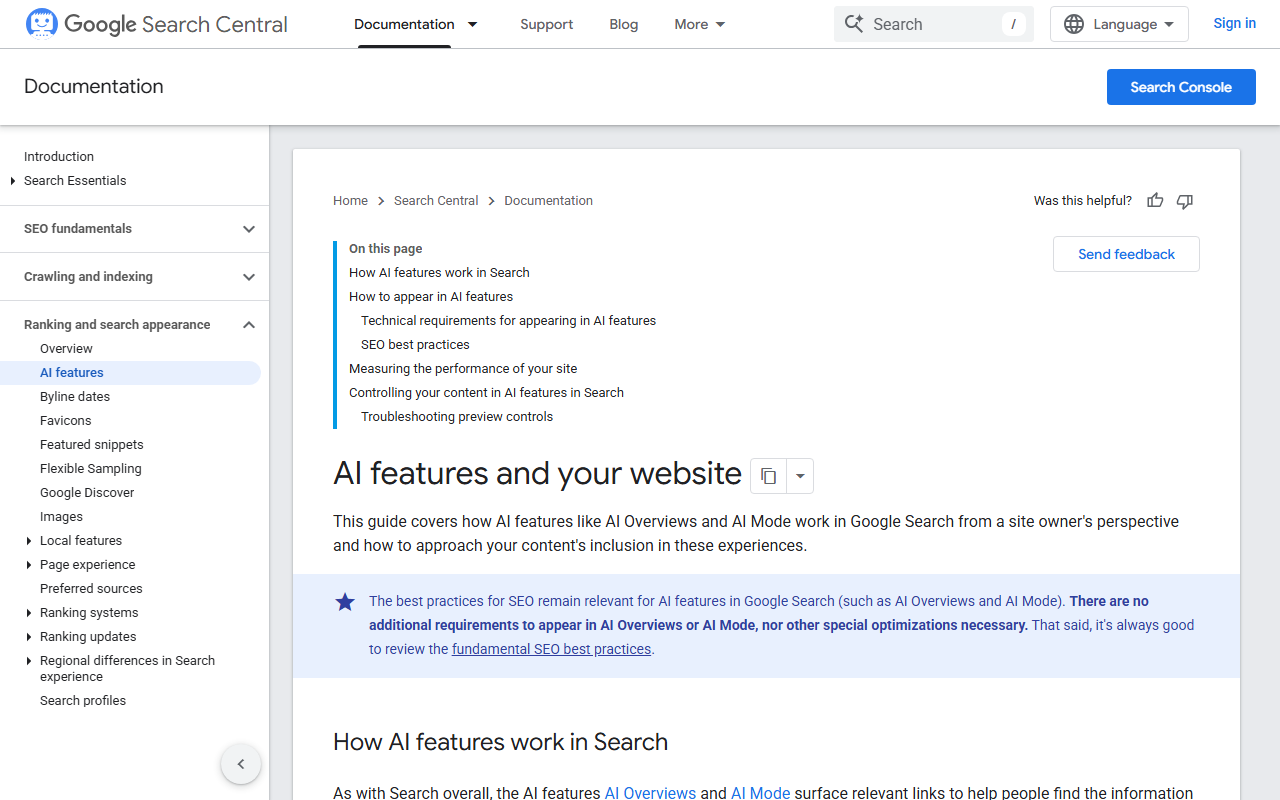
Generally not. Scores are built on organic positions, so being cited as a source in an AI answer does not register, while a low blue-link position on the same query counts against you. That gap widens every quarter.
Should I report SEO visibility to my leadership team?
We would not. Report non-brand clicks, impressions, unique query count and organic signups, all of which are counted rather than modelled. Keep visibility for competitor comparison and for noticing that something broke.
For the counted alternative, Google documents the Search Console performance report and exactly how impressions and positions are defined. It is worth reading once, because most arguments about visibility scores are really arguments about definitions. Google also documents how AI features work in Search, which is the part no visibility score currently models.