![Competitor Alternatives Pages for SaaS: How to Rank for [Competitor] Alternatives and Win the Switchers](https://saasrankly.com/wp-content/uploads/2026/09/card-saas-competitor-alternatives-pages.png)
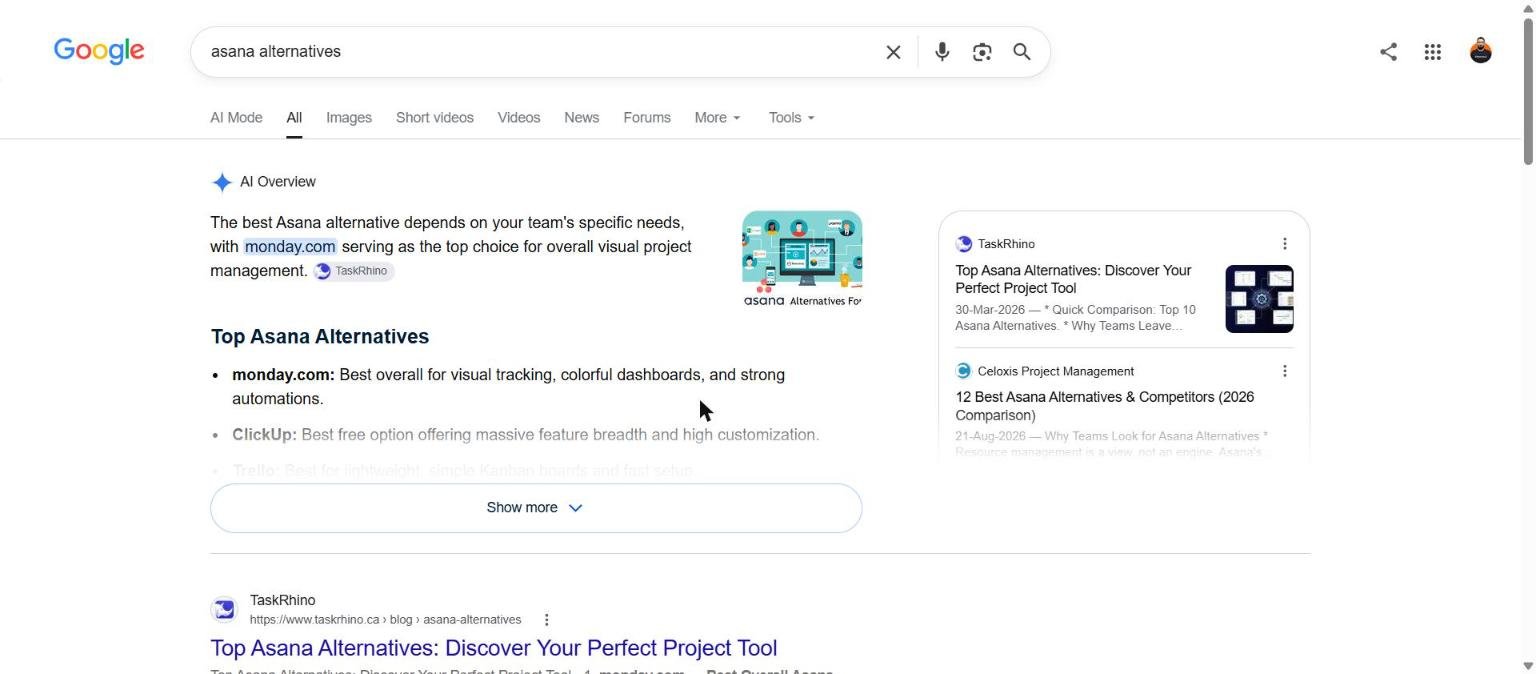
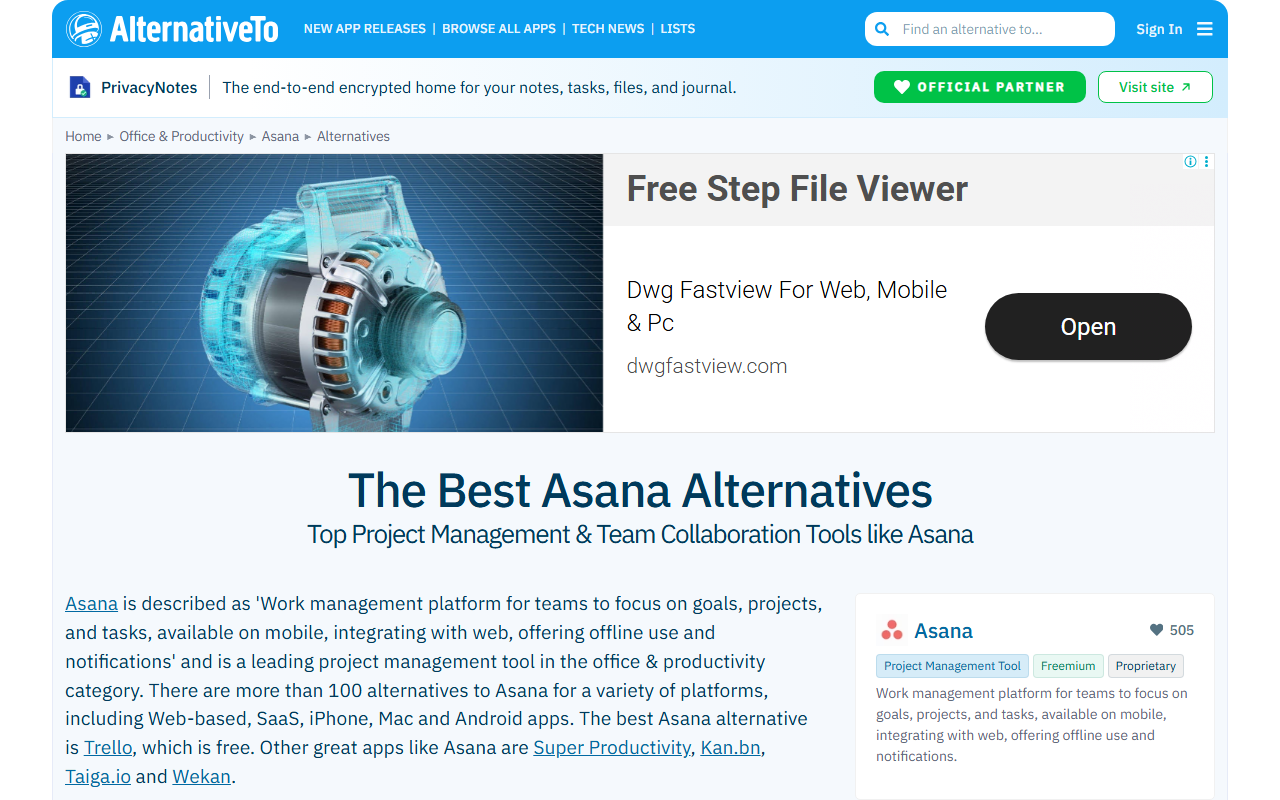
Someone searching “Asana alternatives” has already decided two things: they use (or evaluated) Asana, and they are unhappy enough to look elsewhere. That is the most valuable visitor a SaaS marketing site can get, and most companies leave the traffic to G2, Capterra and Zapier’s blog. This guide shows how to take it back.
This guide covers competitor alternatives pages for SaaS teams: what it means, why it matters, and the practical steps to get it right.
Why alternatives pages are the best-converting SaaS content
In the bottom-of-funnel-first playbook we ranked SaaS page types by revenue per visit. Alternatives pages sit at the top. Three reasons:
- Intent is explicit. The searcher wants a replacement, not an education.
- Volume is real but competition is soft. Review sites rank with generic list pages; a focused page with a migration angle beats them on relevance.
- The searcher already understands the category. You can skip “what is project management software” and go straight to why yours is better for their situation.
Step 1: Pick the competitors worth a page
Do not build a page for every competitor. Build them for the ones your customers actually switch from. Pull the list from three places:
- Your CRM or onboarding survey. “What did you use before?” is the highest-signal source you have.
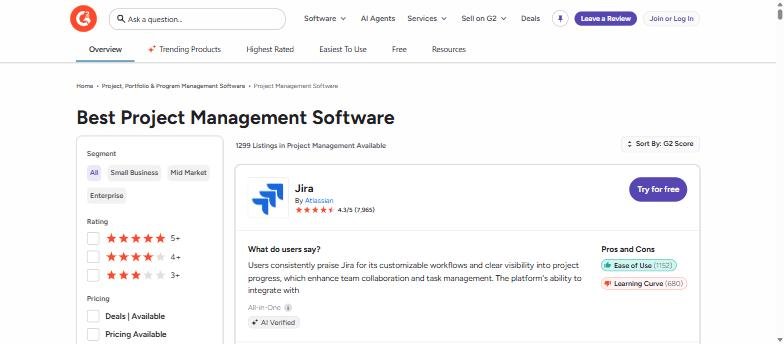
- Review sites. Open the G2 category for your space and note the top ten by review count. Those brands have the most unhappy users to catch.
- Keyword tools. Check “[brand] alternatives”, “[brand] alternative”, “alternatives to [brand]” and “[brand] competitors”. Sum them; the search engine treats them as one intent.
A practical cut-off: any competitor with 100 or more combined monthly searches for its alternatives terms gets a page. Below that, cover it inside a roundup (“Best [category] tools for [use case]”). That cut-off is part of a wider sequencing question we work through in our guide to B2B SEO solutions.
Step 2: Check the keyword data before writing
Alternatives keywords look small in tools because volume is split across variants. In Ahrefs Keywords Explorer, search the brand name and filter for “alternative” to see the whole cluster and the parent topic. Keyword difficulty is usually low to medium because the ranking pages are thin listicles.
If you only have the free tools, run the list through the Keyword Intent Classifier. Everything tagged commercial with a brand name belongs on an alternatives page.
Step 3: Structure the page so it out-ranks the aggregators
The structure below has held up across dozens of SaaS sites. Keep the order.
| Section | What goes in it | Why it matters |
|---|---|---|
| H1 + one-paragraph verdict | “The best Asana alternative for teams who need X is …” and a signup button | Answers the query in the first screen; keeps bounce low |
| Why people leave [Competitor] | 3-5 real complaints, sourced from G2 and Reddit, quoted briefly | Proves you understand the pain; earns the “helpful” signal |
| Comparison table | You vs the competitor vs 3-6 others: price, key limits, integrations, migration | The block that gets featured snippets and links |
| Each alternative, 120-200 words | Best for, pricing, one honest downside | Matches what aggregators do, but with a point of view |
| Migration section | How to move data from the competitor into your tool, with screenshots | Nobody else has it; it is the reason a switcher converts |
| FAQ | Pricing, free plan, data export, “is [tool] better than [competitor]” | Captures long-tail variants and People Also Ask |
Step 4: Be honest, on purpose
Pages that pretend the competitor has no strengths get ignored by readers and, increasingly, by Google’s helpful-content systems. List two or three things the competitor does better. It reads as credible, and it filters out visitors who would churn anyway.
Two rules keep you out of legal trouble: quote pricing with a “checked on [date]” note, and never use the competitor’s logo as your page’s hero image. A text mention is nominative fair use; a logo in a comparison graphic can trigger a takedown.
Step 5: Internal links and schema
- Link every alternatives page from your pricing page (“Switching from another tool?”) and from the relevant X vs Y comparison pages.
- Add
FAQPageschema for the FAQ block andSoftwareApplicationschema for your own product. The Schema Markup Generator outputs both. - Use a URL pattern you can scale:
/alternatives/asana/or/compare/asana-alternatives/. Keep it out of the blog folder so it is treated as a product page.
Step 6: Measure switch-intent, not traffic
Track signups from these pages as a separate GA4 key event and tag them in your CRM with the competitor name. After 90 days you will know which competitors’ users convert best and can prioritise ads, sales outreach and migration tooling accordingly. See how to measure SaaS SEO for the setup.
A 30-day rollout
- Week 1: pick 5 competitors, collect complaints, build the comparison table in a sheet.
- Week 2: publish the first two pages with migration sections.
- Week 3: publish the next three, add internal links from pricing and comparison pages.
- Week 4: request indexing, add FAQ schema, set up the GA4 event.
Frequently asked questions about competitor alternatives pages
Is it legal to name competitors on my website?
In most jurisdictions, yes, as long as the claims are accurate and you do not use their trademarks in a way that implies endorsement. Quote prices with dates and avoid logos in hero images.
How many alternatives should one page list?
Five to eight. Fewer looks thin next to aggregator pages; more dilutes the page and the reader’s attention.
Should my own product be listed first?
Yes, and say so plainly (“we make [tool], so we lead with it”). Disclosure increases trust and does not hurt rankings.
Do alternatives pages work for small SaaS with no brand?
They work best for small SaaS. The searcher does not know you yet; the page introduces you at the exact moment they are ready to switch.
Quick recap: Competitor alternatives pages
Competitor alternatives pages usually comes down to a short, repeatable checklist. Use this whenever competitor alternatives pages comes up again:
- Diagnose competitor alternatives pages by checking the relevant report first, not assumptions.
- Confirm the current setup is actually causing competitor alternatives pages before you change anything.
- Re-check competitor alternatives pages again after the fix ships, not before.
Treat competitor alternatives pages as an ongoing signal rather than a one-time fix. For background on the platform rules behind this, see Google Search Central.