LLM visibility is how often, and how well, AI assistants such as ChatGPT, Perplexity, Claude and Google’s AI Mode mention your brand when someone asks them a question you should be the answer to. It is the AI-search version of ranking, except there is no position 1 to 10, no shared results page, and no Search Console report that shows it to you.
That last part is why most SaaS teams guess. This post covers what LLM visibility actually measures, a five-step way to track it with a spreadsheet, a worked example for a fictional helpdesk product, and the few things we have seen move the numbers.
What is LLM visibility?
Ask the question directly and the AI answer at the top of the results gives a decent short definition: how often assistants mention your brand, and in what context.
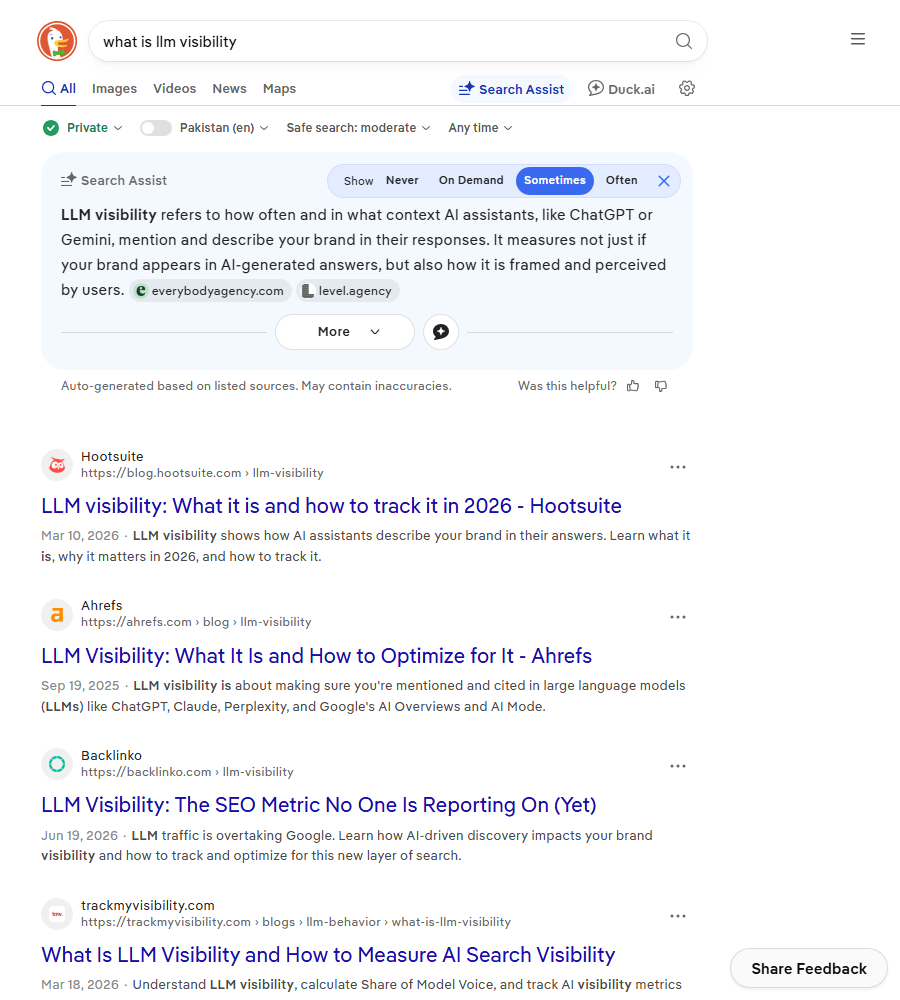
In practice we split LLM visibility into four separate things, because a brand can do well on one and badly on another:
- Mention: does the answer name your brand at all?
- Position: when the answer lists options, where do you appear?
- Citation: does the answer link to a page on your site as a source?
- Framing: is the description accurate, and is it positive, neutral or negative?
Citation is the one that sends traffic. A mention without a link builds awareness. A cited URL gets the click, which is why we weight it most heavily. It is also why a single blended score can flatter a site, a trap we go through in our post on SEO visibility.
LLM visibility vs SEO visibility
| SEO visibility | LLM visibility | |
|---|---|---|
| Unit you measure | A ranking position for a keyword | A mention, citation or position inside one generated answer |
| Same result for everyone? | Mostly, with location and device changes | No. Answers vary by wording, history and even from run to run |
| Free official data | Search Console | Very little. Bing Webmaster Tools has an AI Performance report in beta |
| What earns it | Relevance, links, technical health | Being indexed, being cited by sources the model trusts, clear extractable answers |
| How you track it | Rank tracker | A fixed prompt set, run on a schedule, scored by hand or with a tool |
The second row is the one people underestimate. Because answers change between runs, a single screenshot of ChatGPT mentioning you proves almost nothing. You need the same prompts, asked the same way, many times.
How to measure LLM visibility in 5 steps
- Write 40 prompts a buyer would actually type. Roughly 15 category prompts (“best helpdesk software for a 10-person startup”), 10 comparison prompts (“alternatives to [competitor]”), 10 problem prompts (“how do I stop support tickets getting lost”) and 5 brand prompts (“is [your brand] good for ecommerce”). No brand name in the first 35.
- Pick the engines your buyers use. For most B2B SaaS that means ChatGPT with search, Perplexity, Google AI Mode and one of Claude or Gemini. Four engines times 40 prompts is 160 answers a month, which is manageable by hand.
- Run them the same way every month. Fresh chat, no custom instructions, same country, same week of the month. Log the full answer text, not just yes or no.
- Score each answer. Mentioned (yes or no), position in any list, cited URL on your domain (yes or no), and framing (positive, neutral, negative, wrong).
- Roll it up into four numbers. Mention rate, average list position, citation rate and share of voice against your top two competitors.
If you would rather not do this by hand past the first month, our comparison of AI search visibility tools covers the trackers that automate it, and the LLM rank tracking setup guide goes deeper on prompt selection and cadence.
Worked example: one month of LLM visibility for a helpdesk SaaS
Brightdesk is a fictional helpdesk tool competing with two equally fictional rivals, Helply and TicketNest. Here is its first month: 40 prompts across four engines, 160 answers in total.
| Engine | Answers | Brightdesk mentioned | brightdesk.com cited | Most cited source for the category |
|---|---|---|---|---|
| ChatGPT search | 40 | 12 | 4 | A G2 category page |
| Perplexity | 40 | 14 | 3 | A “best helpdesk tools” listicle |
| Google AI Mode | 40 | 8 | 2 | Helply’s own comparison page |
| Claude | 40 | 4 | 0 | None linked |
| Total | 160 | 38 (23.8 percent) | 9 (5.6 percent) |
Against the competitors, share of voice looked like this: Helply mentioned in 71 answers (44.4 percent), Brightdesk in 38 (23.8 percent), TicketNest in 29 (18.1 percent).
The useful part is the last column. Brightdesk’s mention rate was low mainly because it was missing from the two sources the engines leaned on most: the G2 category page and one listicle. Getting reviews onto G2 and pitching the listicle author would likely do more for its LLM visibility than rewriting a single page on its own site. That pattern, where the fix lives on someone else’s domain, is the most common thing we find.
What actually moves LLM visibility
1. Let the search crawlers in
This one is technical, fast to check and surprisingly often broken. OpenAI runs separate crawlers for search and for model training, and a lot of sites block both when they only meant to block one.
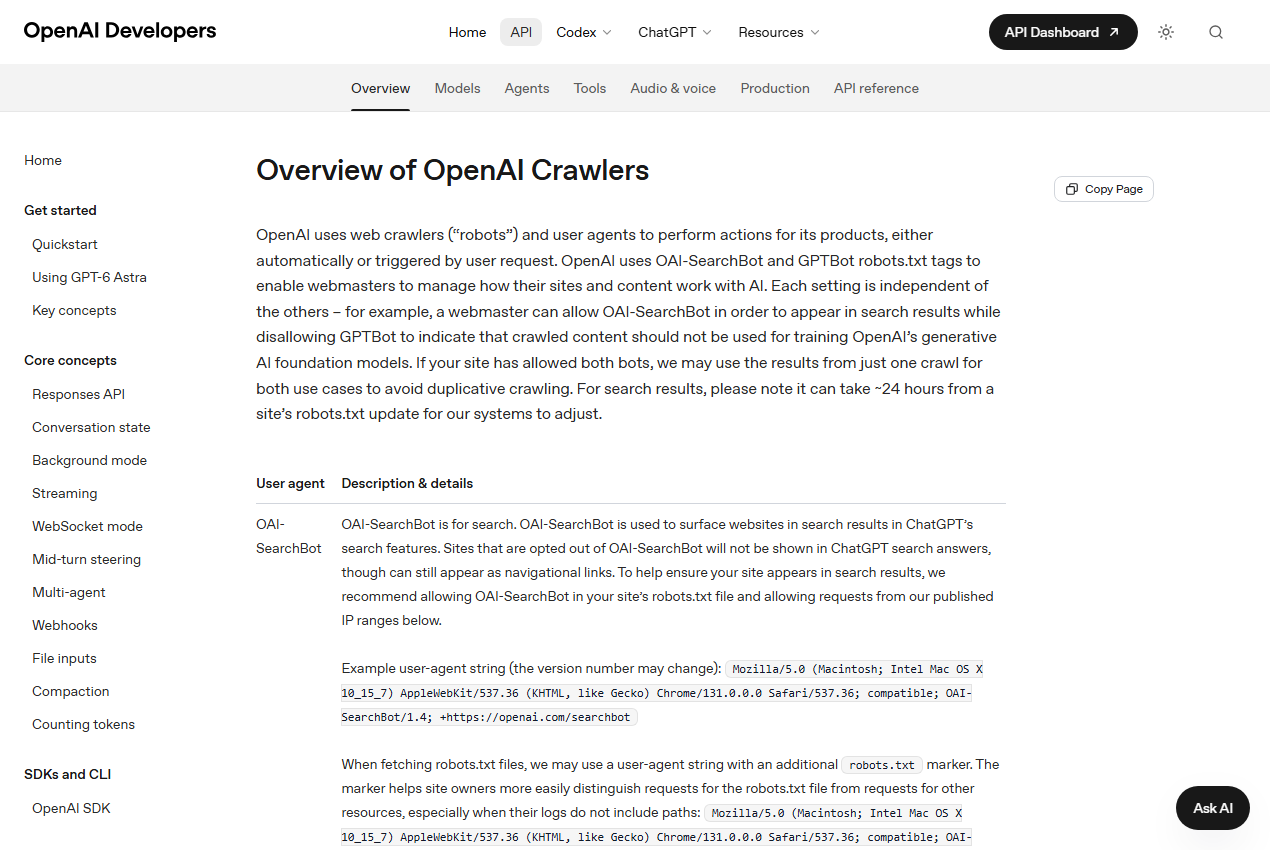
According to OpenAI’s crawler documentation, OAI-SearchBot is the one that decides whether you can appear in ChatGPT search, while GPTBot covers training. Check your robots.txt and, just as important, your CDN or host’s bot protection. We have seen hosting firewalls block AI crawlers with a 403 or 429 even when robots.txt allowed them. The same logic applies to llms.txt, the newer plain-language file some AI assistants check alongside robots.txt — worth generating once with a free tool like this llms.txt generator rather than hand-writing the syntax.
2. Be indexed and quotable in normal search
For Google’s AI features there is no separate optimisation track, and Google says so plainly.
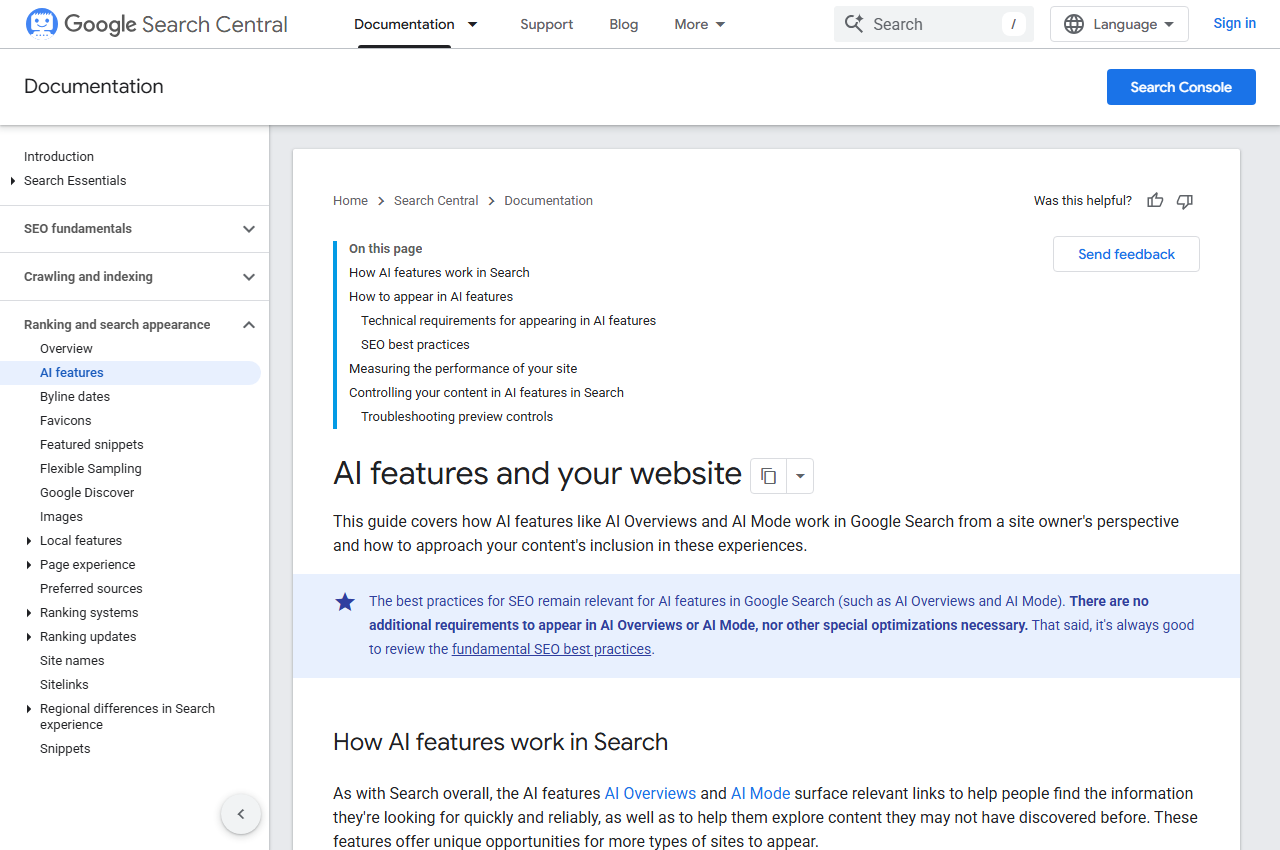
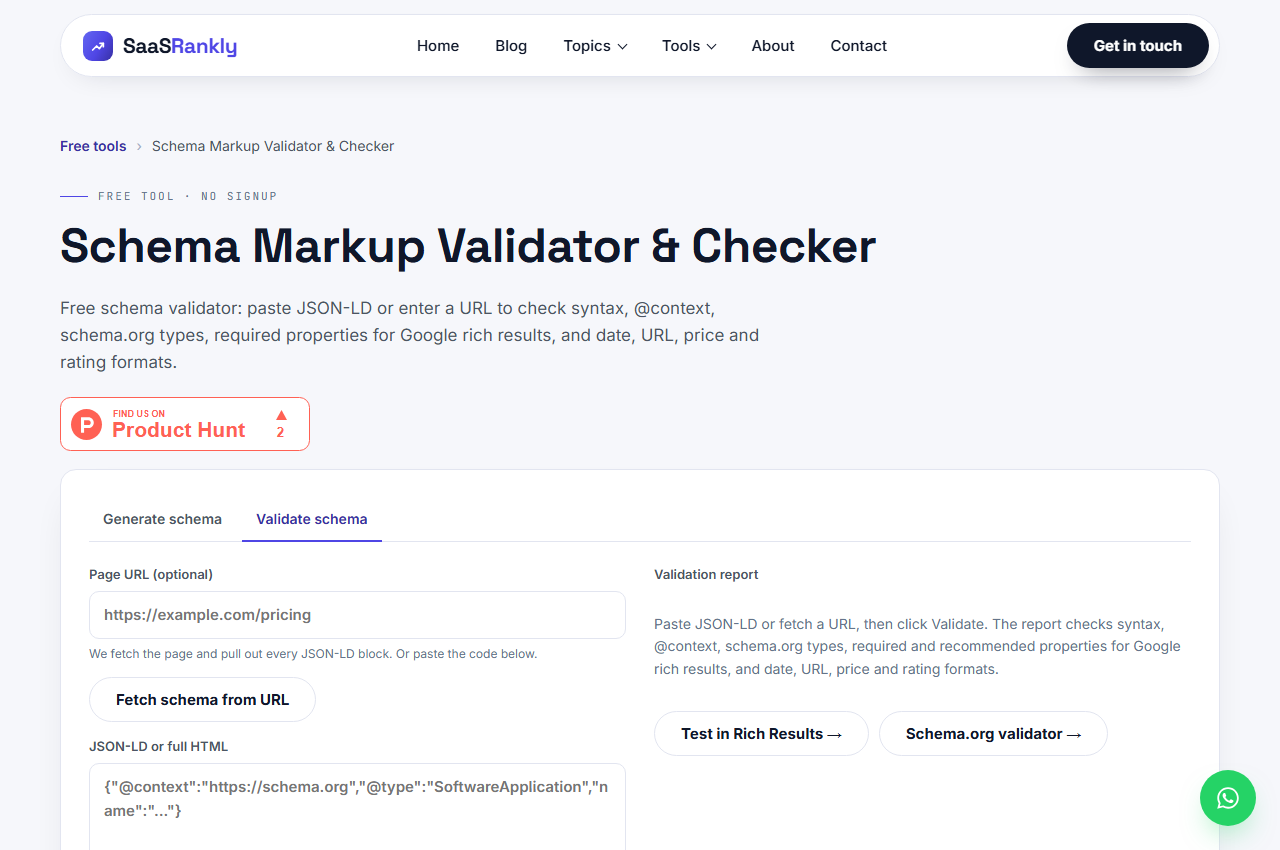
Google’s AI features guide also says there is no special schema for these features. We still validate structured data on product and pricing pages with our schema validator, not because it buys AI placement, but because broken markup makes facts like pricing harder to read correctly.
3. Get onto the pages the engines already cite
Review sites, well-maintained listicles, comparison pages and active community threads show up again and again as sources. A complete G2 or Capterra profile with real reviews, a mention in the top two listicles for your category, and honest answers in relevant forum threads usually lift mention rate faster than anything you publish on your own site.
4. Write answers a model can lift cleanly
Put the direct answer in the first two sentences under each heading, keep pricing and plan limits in plain HTML rather than images or scripts, and use tables for comparisons. Our guide on getting cited by ChatGPT covers the page-level patterns in more detail.
LLM visibility myths we keep hearing
| Myth | What we see |
|---|---|
| “There is a secret AI optimisation trick.” | Google says there are no extra requirements for its AI features. The work is indexing, clear answers and third-party mentions. |
| “One screenshot shows we are visible.” | Answers vary between runs. Only a fixed prompt set tracked over time means anything. |
| “Blocking GPTBot hides us from ChatGPT.” | Search visibility depends on OAI-SearchBot. Blocking only GPTBot affects training, not ChatGPT search results. |
| “LLM visibility replaces SEO.” | The engines lean on search indexes and on pages that already rank. Weak SEO usually means weak LLM visibility too. |
If you need to report these numbers upward, our post on AI search visibility metrics and reporting shows how to present share of voice and citations next to your normal SEO dashboard.
Quick recap: LLM visibility
- LLM visibility is how often and how accurately AI assistants mention and cite your brand.
- Track four things: mention, position, citation and framing. Citations send the traffic.
- Measure LLM visibility with a fixed set of about 40 buyer prompts across four engines, monthly.
- Most gaps come from missing third-party sources such as review sites and listicles.
- Allow OAI-SearchBot, check your CDN bot settings, and stay indexed and snippet-eligible in Google.
- Good SEO is still the base layer for LLM visibility, not a separate track.
FAQ
What does LLM visibility mean?
It means how visible your brand is inside answers generated by large language models such as ChatGPT, Perplexity, Claude, Gemini and Google’s AI Mode. It covers whether you are mentioned, where you appear in lists, whether your pages are cited, and how accurately you are described.
How do you measure LLM visibility?
Build a fixed set of buyer-style prompts, run them on the same engines each month, and score every answer for mention, position, citation and framing. Roll that up into mention rate, citation rate and share of voice against named competitors.
Is LLM visibility the same as AI search visibility?
The terms are used almost interchangeably. Some teams use AI search visibility for engines that show sources, such as ChatGPT search and AI Mode, and LLM visibility for any assistant answer, including ones without links.
Does blocking GPTBot hurt LLM visibility?
Blocking GPTBot stops content being used for OpenAI model training. OpenAI says ChatGPT search uses OAI-SearchBot, so blocking only GPTBot should not remove you from ChatGPT search answers. Blocking OAI-SearchBot would.
How long does it take to improve LLM visibility?
Crawler and robots.txt fixes can show up within days. Gains from new reviews, listicle mentions and better pages usually take one to three months to appear consistently across engines, because the sources need to be recrawled and reused.
Which tools track LLM visibility?
Dedicated AI visibility trackers run prompt sets automatically across several engines, and some SEO platforms now include a limited number of tracked prompts. For a first month, a spreadsheet and 160 manual answers is enough to see where you stand.