Most SaaS SEO strategies fail the same way. The team writes forty top-of-funnel blog posts about “what is customer onboarding”, ranks for a few of them, gets traffic that never signs up, and concludes that SEO does not work for their product. It does. They just started at the wrong end of the funnel.
This guide covers saas seo strategy for SaaS teams: what it means, why it matters, and the practical steps to get it right.
This is the strategy I use with SaaS clients in 2026: start where buyers already are, build outward from there, and only invest in awareness content once the pages that convert are ranking. It is slower to look impressive and much faster to produce revenue.
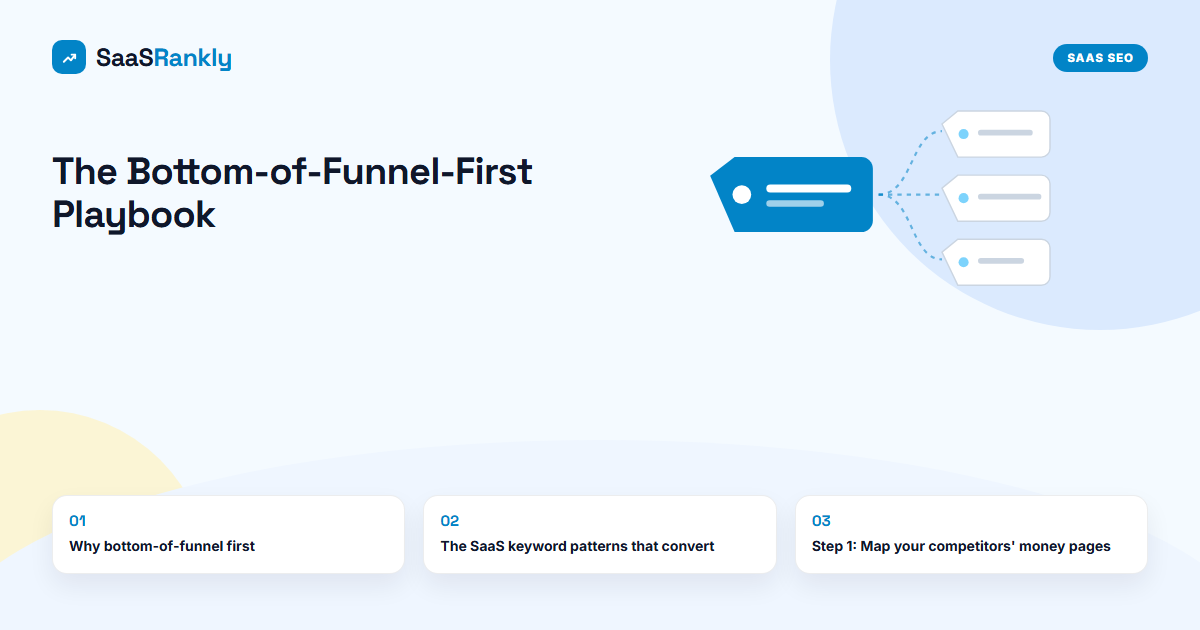
Why bottom-of-funnel first
A visitor searching “best CRM for real estate agents” or “HubSpot alternatives” is days from a decision. A visitor searching “what is a CRM” is months away, if they ever buy at all. Bottom-of-funnel (BoFu) keywords have lower volume, lower competition than most founders assume, and conversion rates ten to twenty times higher than informational traffic. For a company with a limited budget, one BoFu page that ranks is worth more than a hundred blog posts.
The SaaS keyword patterns that convert
| Pattern | Example | Intent | Page type |
|---|---|---|---|
| Category + audience | best project management software for agencies | Comparison, ready to buy | Listicle that includes you honestly |
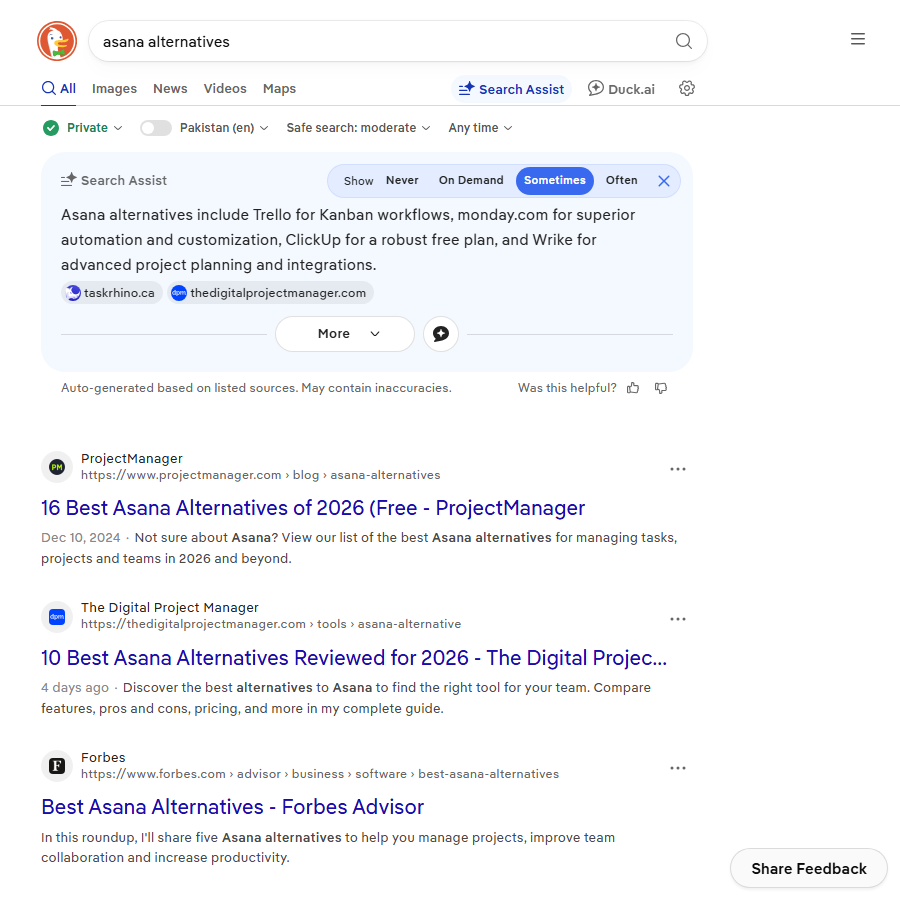
| Competitor alternatives | Asana alternatives | Switching | Alternatives page |
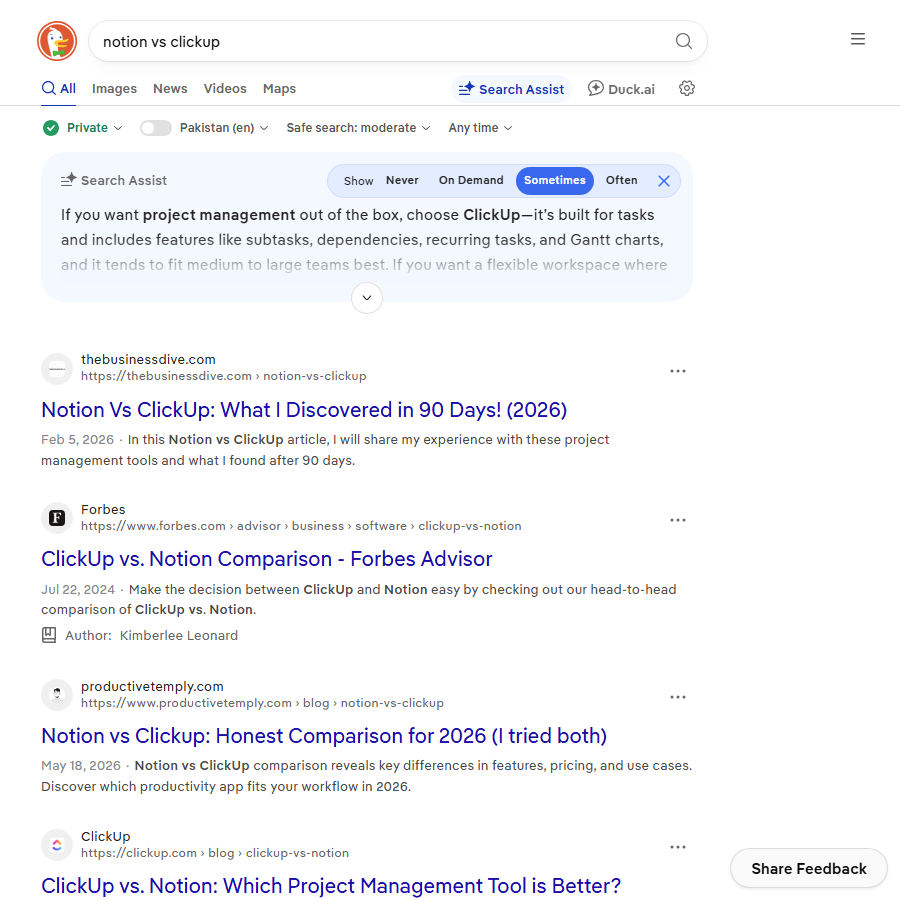
| X vs Y | Notion vs ClickUp | Choosing | Comparison page |
| Competitor + pricing | Monday.com pricing | Evaluating | Pricing breakdown with your offer |
| Integration | Slack + Trello integration | Workflow need | Integration page |
| Use case | sprint planning tool | Job to be done | Use-case landing page |
| Template | OKR template | Practical need | Template page with product hook |
| How to in tool | how to export from Jira | Existing user, often unhappy | Guide with migration angle |
Build your first fifty keywords from these patterns before you touch a single “ultimate guide”. Use Ahrefs or Semrush for volume, but do not filter out zero-volume queries: BoFu SaaS terms are chronically under-reported and many of the best ones show as zero.
Step 1: Map your competitors’ money pages
Take your five closest competitors and pull every page they rank for that contains “vs”, “alternative”, “best”, “pricing”, “integration” or “template”. That list is your BoFu roadmap, already validated by someone else’s budget. Add the pages that rank for your own product’s name plus those modifiers, because searches like “yourproduct alternatives” are yours to win or lose.
Step 2: Build the four page types, in this order
Alternatives pages
One page per major competitor: “[Competitor] alternatives: 7 options compared”. Include yourself once, honestly, alongside genuine alternatives. Pages that only pitch you do not rank and do not convert.
Comparison pages
“[You] vs [Competitor]” and, more importantly, “[Competitor A] vs [Competitor B]” pages where you are the neutral referee and the sensible third option. The second type ranks more easily because competitors rarely write it.
Use-case and audience pages
One page per job-to-be-done and per audience segment. “Sprint planning tool” and “project management for agencies” are different searches with different pain points, and each deserves its own page with its own proof.
Integration pages
Every integration you support gets a page. They are cheap to produce, rank on low competition, and catch users at the exact moment they are assembling a stack.
Step 3: Make the pages worth ranking
- Real screenshots of your product and the competitors’, not stock graphics.
- A comparison table above the fold with the criteria buyers actually use: price, limits, integrations, support.
- Honest verdicts. “Choose X if…” sentences convert better than “we are the best”.
- Fresh dates and prices, updated quarterly. Stale pricing kills trust and rankings.
- One clear CTA per page: trial, demo or a migration guide.
Step 4: Build the content system around the money pages
Now write the informational content, but only where it supports a money page. Every blog post links up to a BoFu page and gets linked from it. That cluster structure is what builds topical authority and passes the links you earn on guides down to the pages that convert. Programmatic pages (integrations, templates, “for [industry]”) scale this once the core pages are proven.
Step 5: Earn links to the pages that need them
Alternatives and comparison pages rarely attract links on their own, so they need help. Original data, free tools and templates earn the links; internal links route the authority to the money pages. Unlinked brand mentions, expert quotes through platforms like Featured, and a small number of vetted link insertions on already-ranking industry articles round out a realistic SaaS link plan without an agency retainer.
Step 6: Measure signups, not sessions
Report on ranking positions for the BoFu keyword set, organic trial or demo signups attributed to those pages, and pipeline created. Traffic is a vanity metric for SaaS SEO. A page with 300 visits and 25 trials beats a post with 30,000 visits and none.
A 90-day SaaS SEO plan
| Weeks | Focus | Output |
|---|---|---|
| 1 to 2 | Research | 50 BoFu keywords, competitor money-page map, five priority pages |
| 3 to 6 | Build | Five alternatives and comparison pages, three use-case pages, integration pages |
| 7 to 10 | Support | Eight supporting guides, internal linking, first data asset |
| 11 to 13 | Authority | Mentions reclaimed, expert quotes placed, five vetted links to money pages |
Frequently asked questions about SaaS SEO strategy
How long does SaaS SEO take to show results?
BoFu pages on a site with some authority typically rank within two to four months. A brand-new domain needs six to twelve months of consistent work before the money pages hold top positions.
Should a SaaS blog target high-volume keywords?
Eventually. Start with the low-volume, high-intent terms that convert, then use the authority and revenue they create to fund awareness content.
Are “competitor alternatives” pages risky legally?
Comparing products factually is normal and legal in most jurisdictions. Use the competitor’s name accurately, keep claims verifiable, and never use their logo or trademark in a way that implies endorsement.
Do SaaS companies need link building?
Yes, but less than most agencies claim. Twenty relevant links to the right pages, plus a strong internal structure, will outperform two hundred random ones.
What is programmatic SEO for SaaS?
Generating many pages from a template and a dataset: one page per integration, per template, per industry. It works when each page has genuine unique value, and it fails when it is thin content at scale.
Next step
Pull your five closest competitors’ pages containing “vs”, “alternatives” and “best” today. Those forty or fifty URLs are your first quarter of SaaS SEO, already validated. If you would like help turning that list into pages that rank, get in touch.
Quick recap: Saas seo strategy
Saas seo strategy usually comes down to a short, repeatable checklist. Use this whenever saas seo strategy comes up again:
- Diagnose saas seo strategy by checking the relevant report first, not assumptions.
- Confirm the current setup is actually causing saas seo strategy before you change anything.
- Re-check saas seo strategy again after the fix ships, not before.
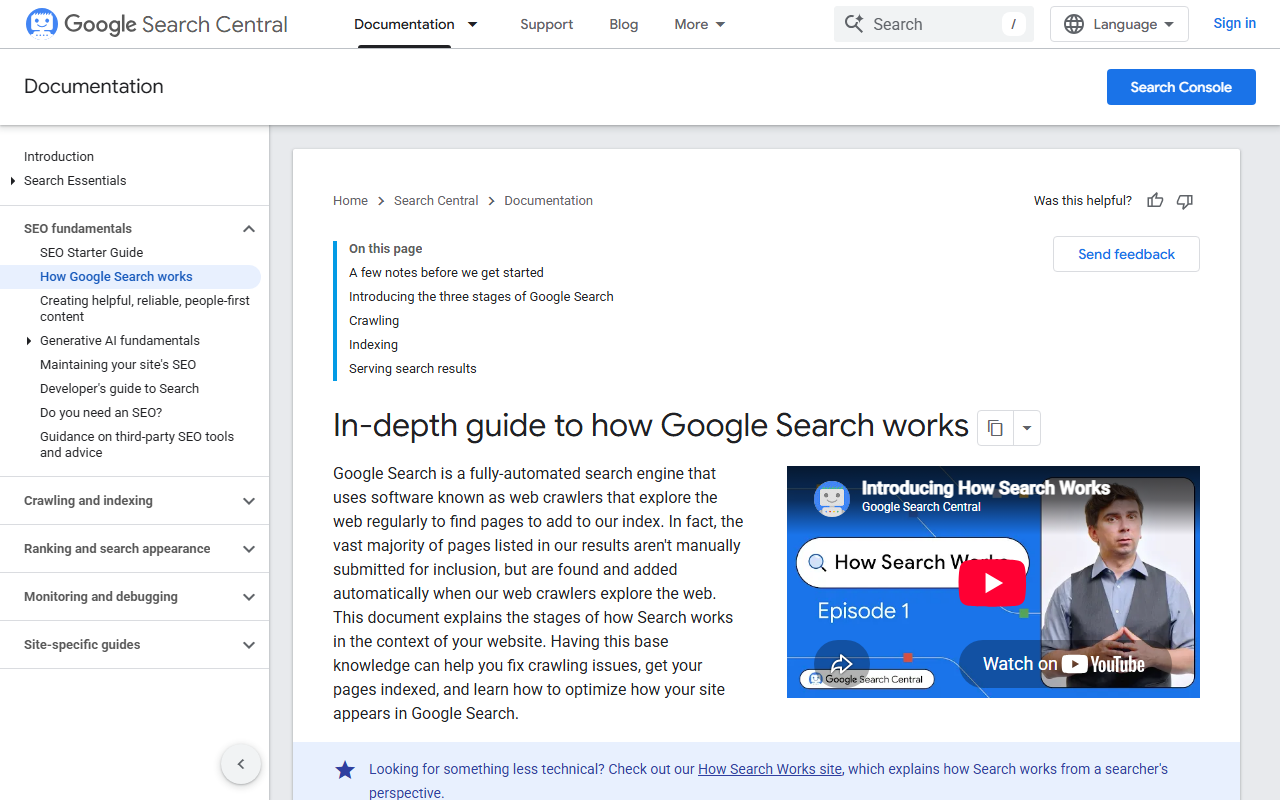
Treat saas seo strategy as an ongoing signal rather than a one-time fix. For background on the platform rules behind this, see Google Search Central.